


The world of travelling is a multifaceted one. There are the everyday trips one takes for work or school, commuting to a set location during the week, usually within the confines of a city. There are the longer trips too, the trips which usually involve getting into an aeroplane to visit someplace a bit farther from where the traveller usually resides. These trips are frequently done for business purposes, but for those who have the means to afford it, these trips are undertaken for learning and leisure – where the traveller can be defined as a “tourist”.

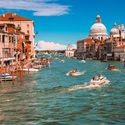



On the surface, tourism in its most basic form is a straightforward process. A traveller visits a country for an overnight stay at a minimum, does some sightseeing, takes some photographs, and leaves. For tourist hotspots such as Bangkok or Paris, that overnight traveller can be multiplied by an excess of 19 million similar travellers, all contributing to what is a key part of the country’s economy. While there are various reasons that draw someone to visit a certain place, there’s a consistent factor that has attracted tourists of past and present - that of a place's architecture.


